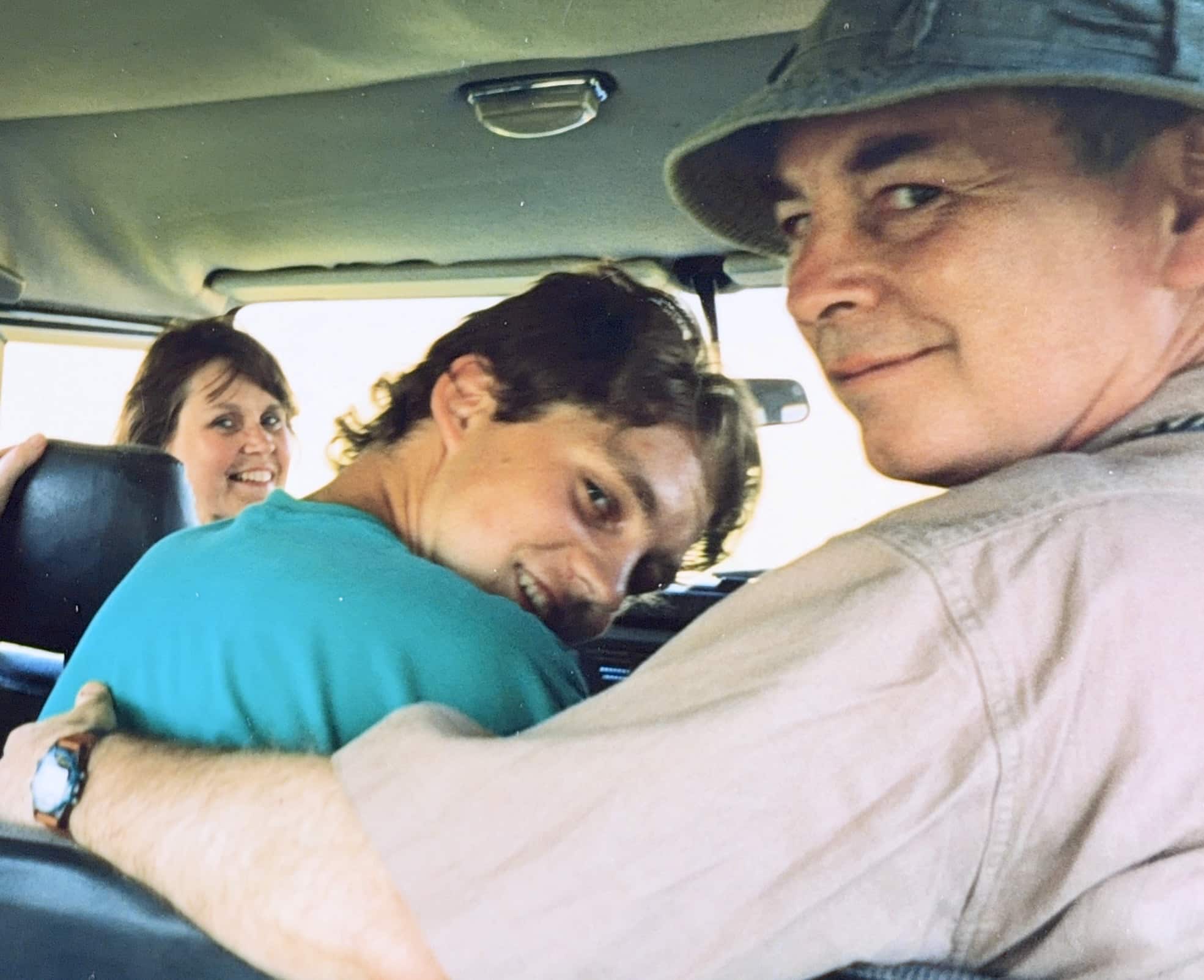
Dr. Cary Bjork was an extraordinary volunteer and leader in the HVO community for decades. From 1997 until his passing, he dedicated himself to the internal medicine project in Kampala, Uganda, serving as project director from 1998 to 2016. Beyond his profound impact on global health, he was also a devoted father who, along with his wife Sharon, instilled in his sons a deep commitment to serving others and advancing care for communities in need.
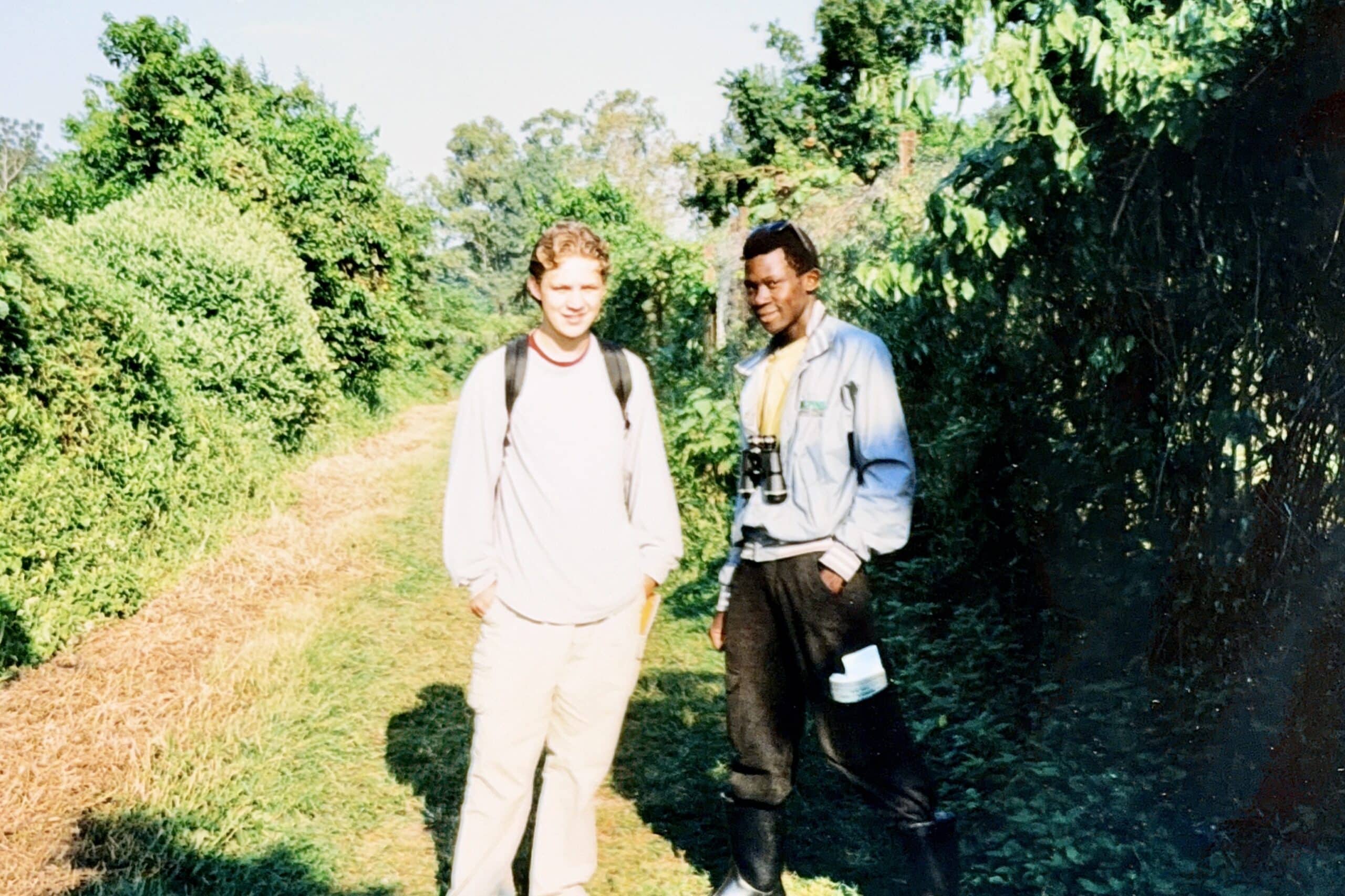
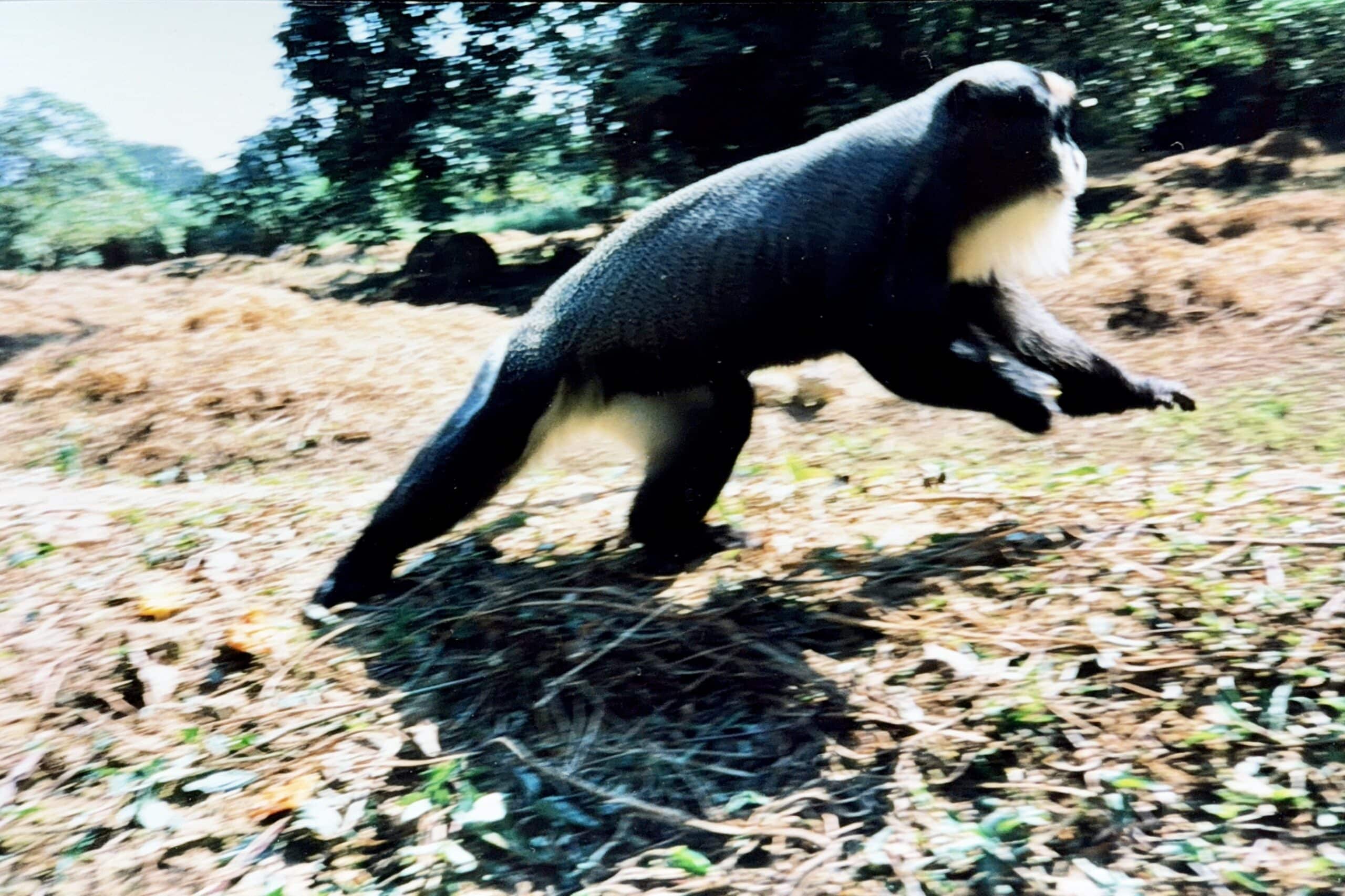
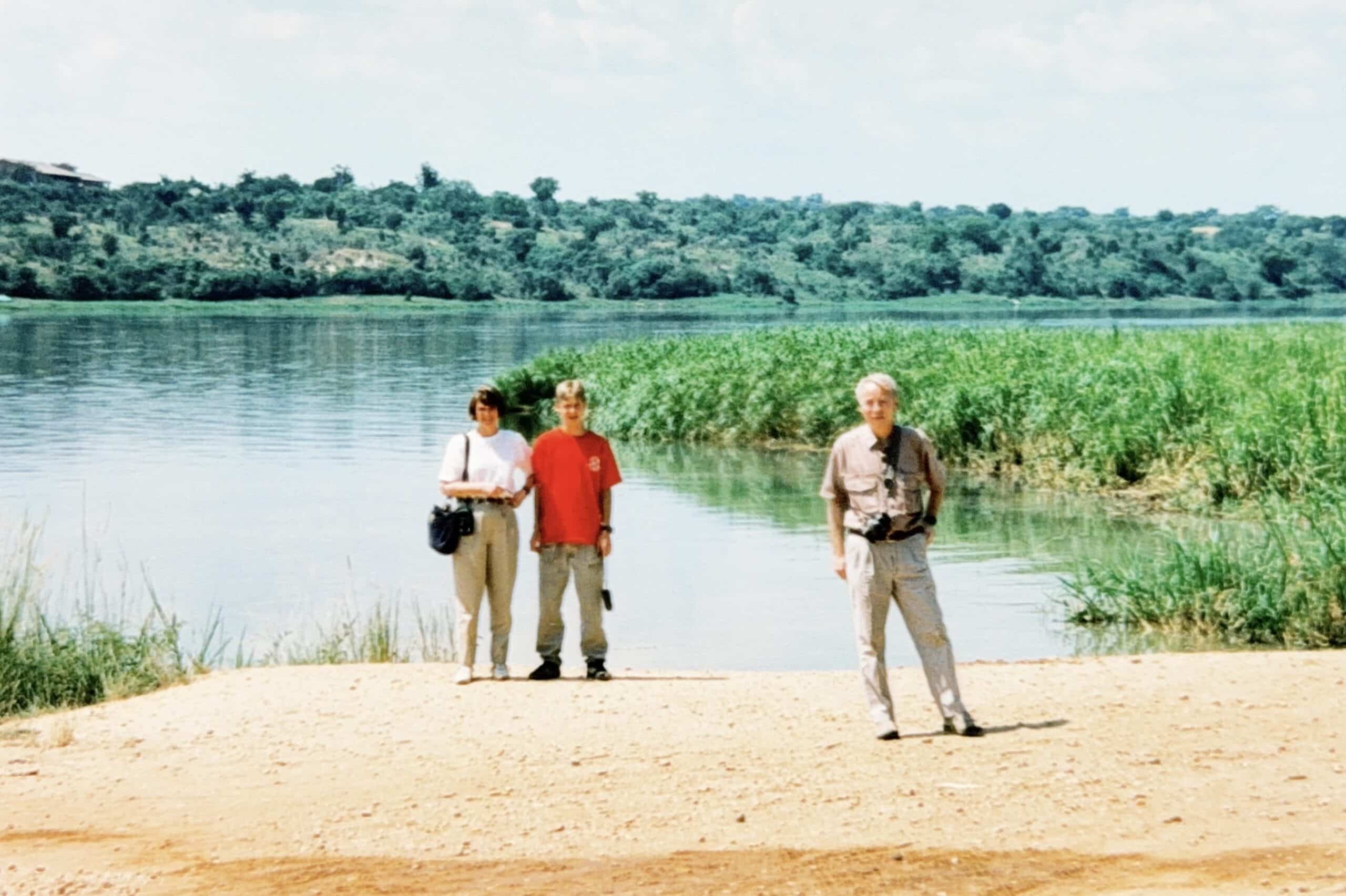
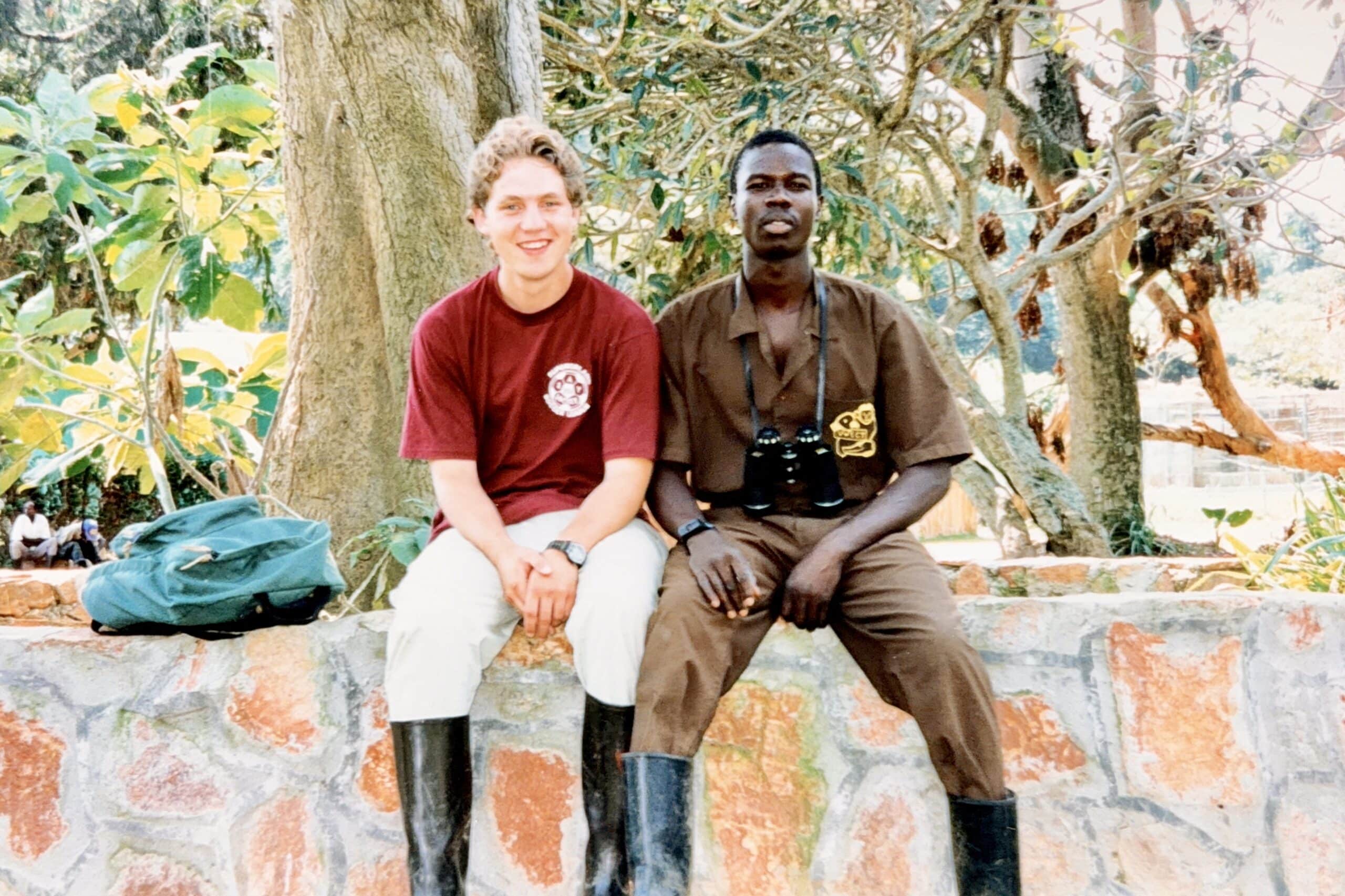
His son Adam Bjork remembers a pivotal trip the family took to Kampala while he was still in college. “I was interested in evolution, and East Africa, with its immense biodiversity, is a living laboratory for evolution,” said Dr. Bjork. “My dad asked around, and Dr. Elly Katabira from Makerere College of Health Sciences connected me to the Uganda Wildlife Education Centre. Their mission was to turn their zoo on the shore of Lake Victoria into a mini safari area for local Ugandans. There was a family of monkeys living there, and they wanted a volunteer to help learn what we could about the monkeys. My younger brother and I, along with a staff member, spent every day walking through the jungle familiarizing ourselves with this family of De Brazza’s monkeys. At the end, we wrote up a big report. We got to know the staff, the caretakers, the groundskeepers. We ate lunch with them every day and took the local minibus taxi 45 minutes back to the guesthouse where my dad could walk to the hospital and my mom could walk to the school she helped in.”
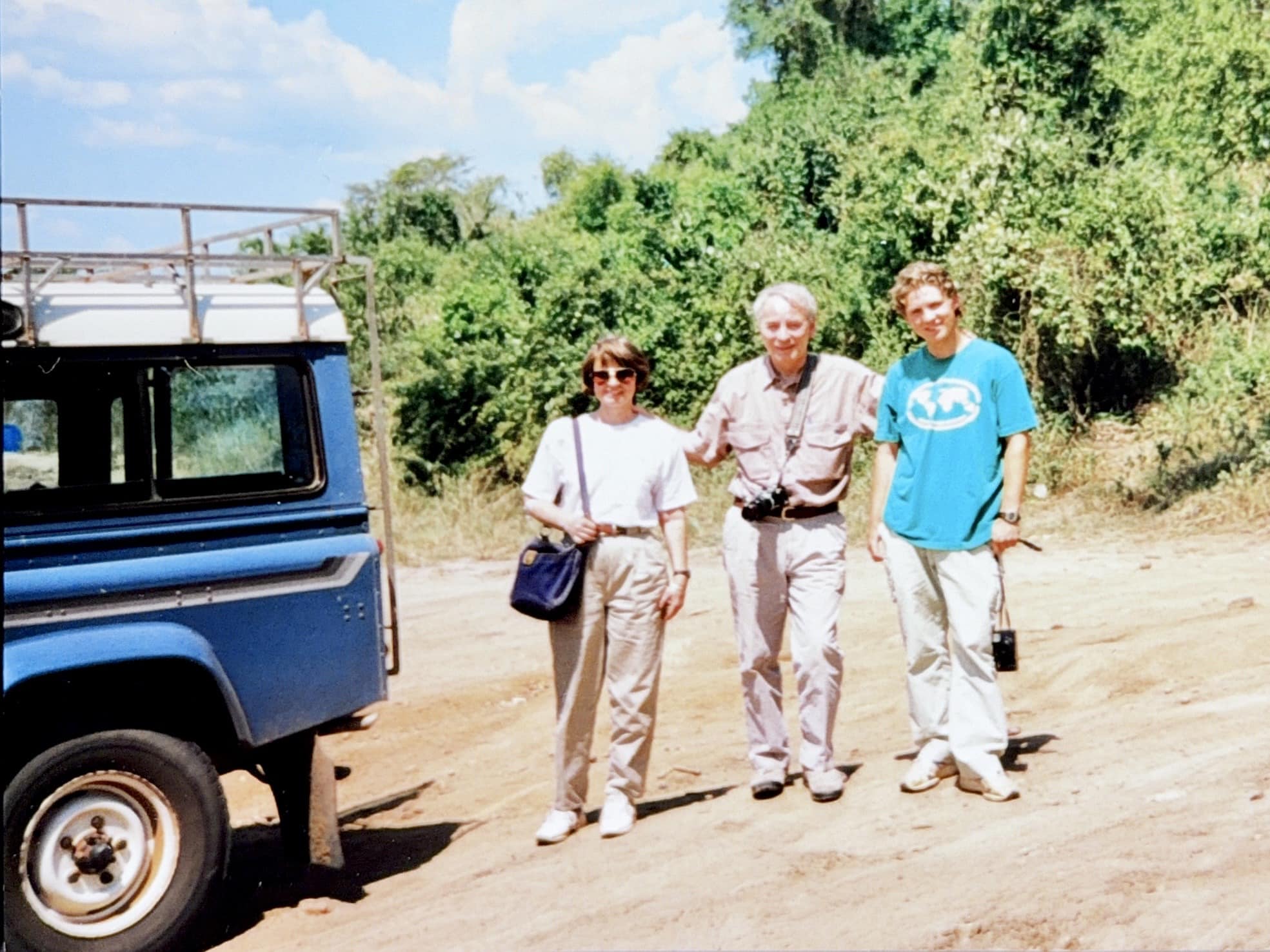

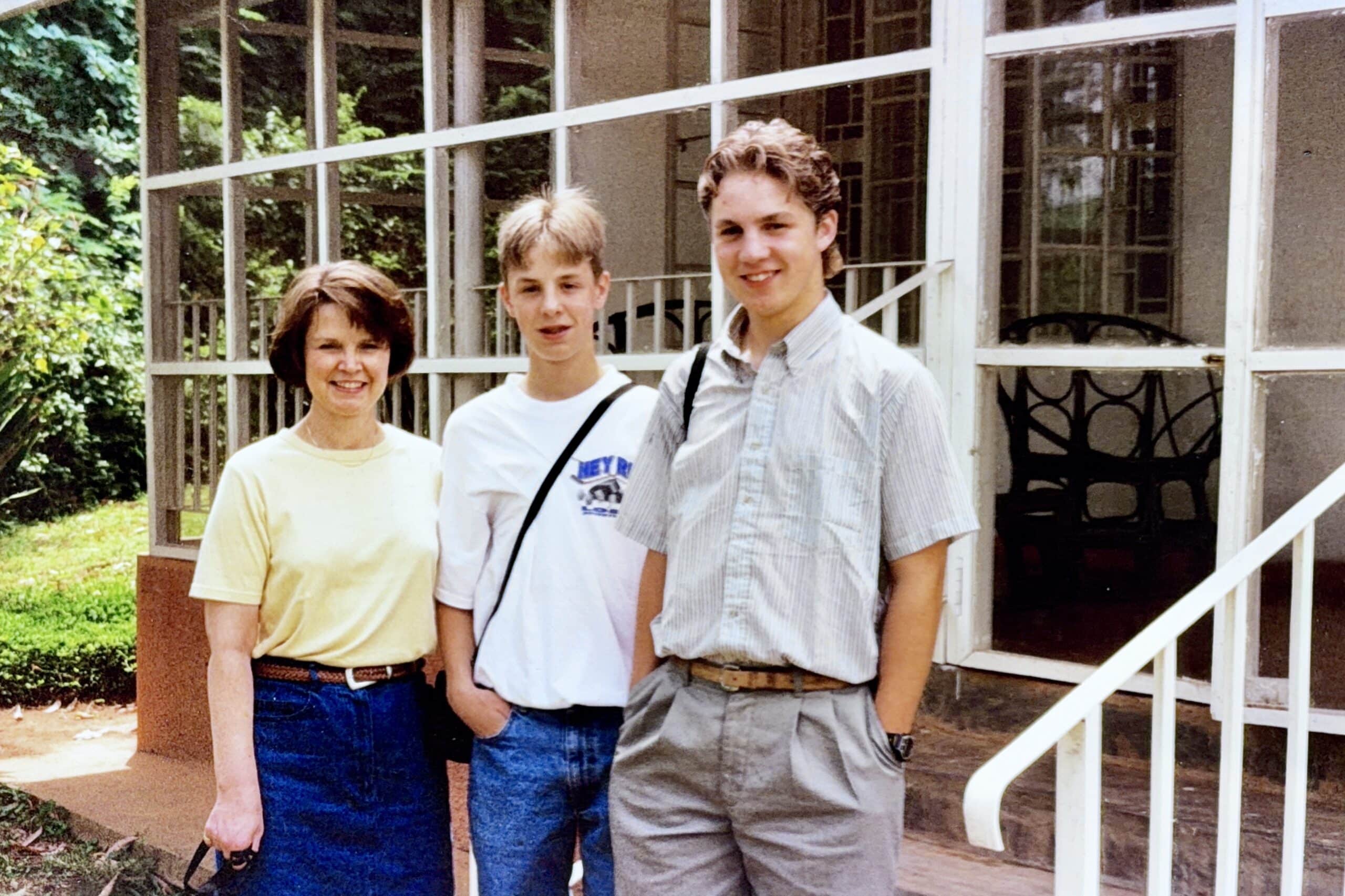
His father’s decision to bring him on the trip, and his help setting up volunteer work, had far reaching impact. After finishing college, Dr. Bjork looked for more opportunities for field experience studying ecology and evolution. He was hired to work on a prestigious project with the University of Maryland in Australia. He was chosen from a vast field of applications in part because of his experience in Uganda. “They knew I could handle being out in the field,” he said. “For the graduate students in charge, their dissertations depended on good field work.” His experience in Australia led to another life-changing opportunity. Dr. Bjork had admired Dr. Scott Pitnick at Syracuse University since reading one of his papers in school. Dr. Pitnick saw Dr. Bjork’s work in Australia as demonstrated commitment to evolutionary research and invited him to join his lab as a graduate student. “The Australia project got me that connection,” said Dr. Bjork. “Without that, I would have been just another person, but that experience showed him I was legitimate. And none of it would have happened without the HVO trip.”
From there, Dr. Bjork continued to learn and grow. “I love evolution,” he said. “It’s like being a detective – explaining what you see in the world and engineering it backwards. I love it, but I also wanted to see if I could apply it to our own species in the world we live in now. My father never told me what to do, but he planted the seeds.” Dr. Bjork eventually transitioned to studying molecular epidemiology and now works for the CDC where he has opportunities to travel to communities all over the world. “I work on polio eradication, so I’ve been to places like Somalia, Pakistan, and Jordan for projects and field work,” said Dr. Bjork. “Before polio, I was with the CDC division focused on PEPFAR, working with ministries of health and other partners to strengthen transfusion centers and the safety of donated blood.” He also had the opportunity to return to Uganda, where he met a physician who knows Dr. Elly Katabira. Finally, in 2015, Dr. Bjork was able to meet the man who had helped connect him with his first opportunity in 1997. “And he remembered me,” said Dr. Bjork.
Thinking back over how his career has taken shape, Dr. Bjork credits his father and his HVO trip for much of his inspiration. “Just one trip with my parents,” he said. “The impact was huge. HVO appealed to my father because you are working to build capacity and not just packing up and leaving. This was valuable to my father, so he wanted us to have that too. It’s no mystery why he valued it. When you see other places and meet other people, you are better off for it, and he knew that would be true for us. If only more people could see that people are people, that they are as nice as anywhere else, that there are as many hardworking people in Uganda as anywhere else. My interest in global health comes from seeing the impact of my father’s work, how he helped add capacity to other countries. It’s nice to have the model of HVO – helping transfer knowledge. Where you are born shouldn’t dictate outcomes. My dad believed health is not a privilege, but a right. His generosity with his time both with HVO and private practice spanned our whole lives. He was the last car in the medical center parking lot every night. He was always behind on his schedule because he spent so much time with each patient. He loved learning from other people. He got as much out of his volunteer work as anyone got from him.”
Dr. Bjork recalls that having the opportunity to share this work with their children was important to both of his parents, and that HVO was the only organization that offered the chance. “HVO had a big impact on the community my father visited, but also on all three of his kids, and I think that’s pretty cool,” he said.
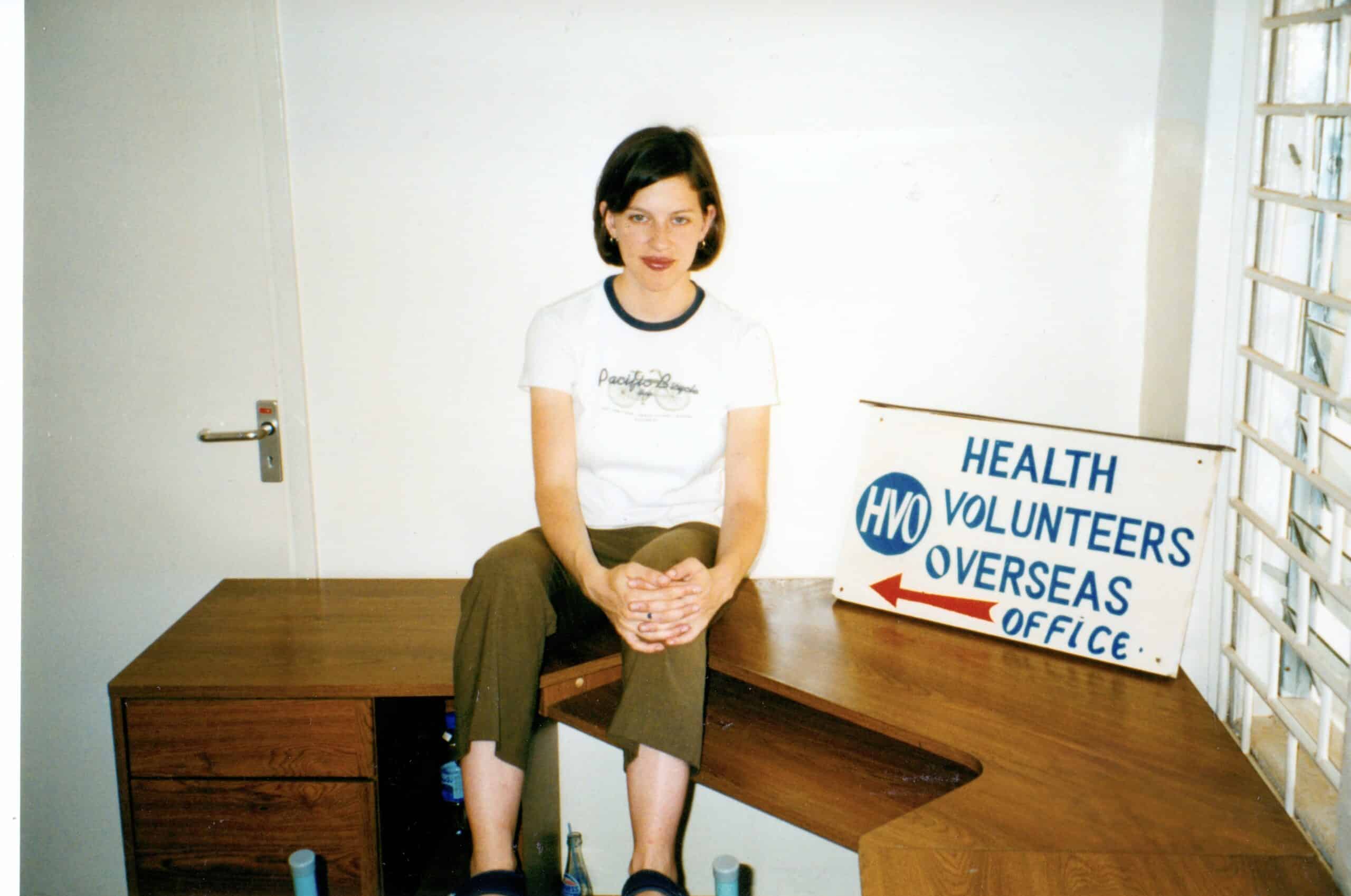
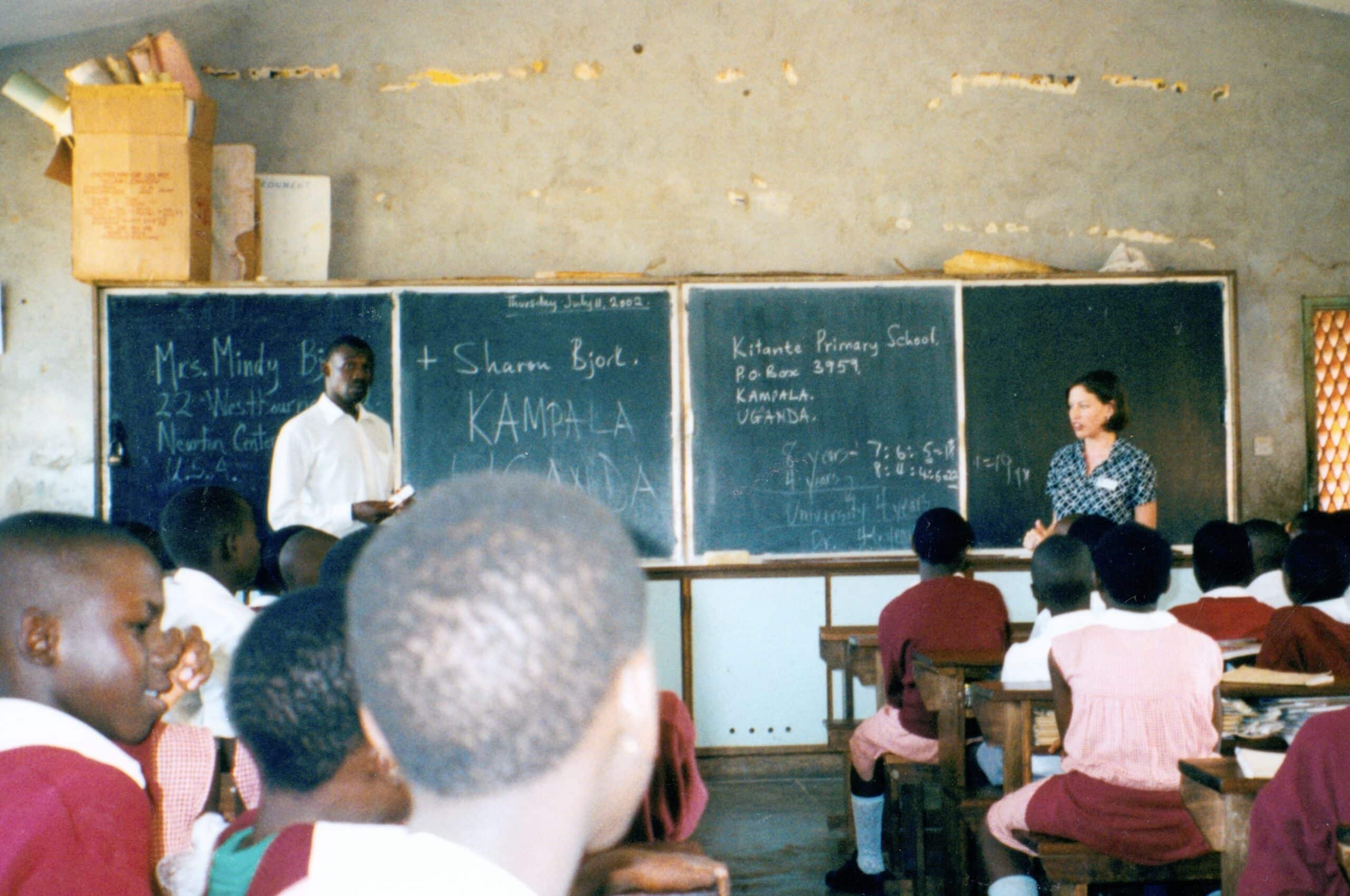
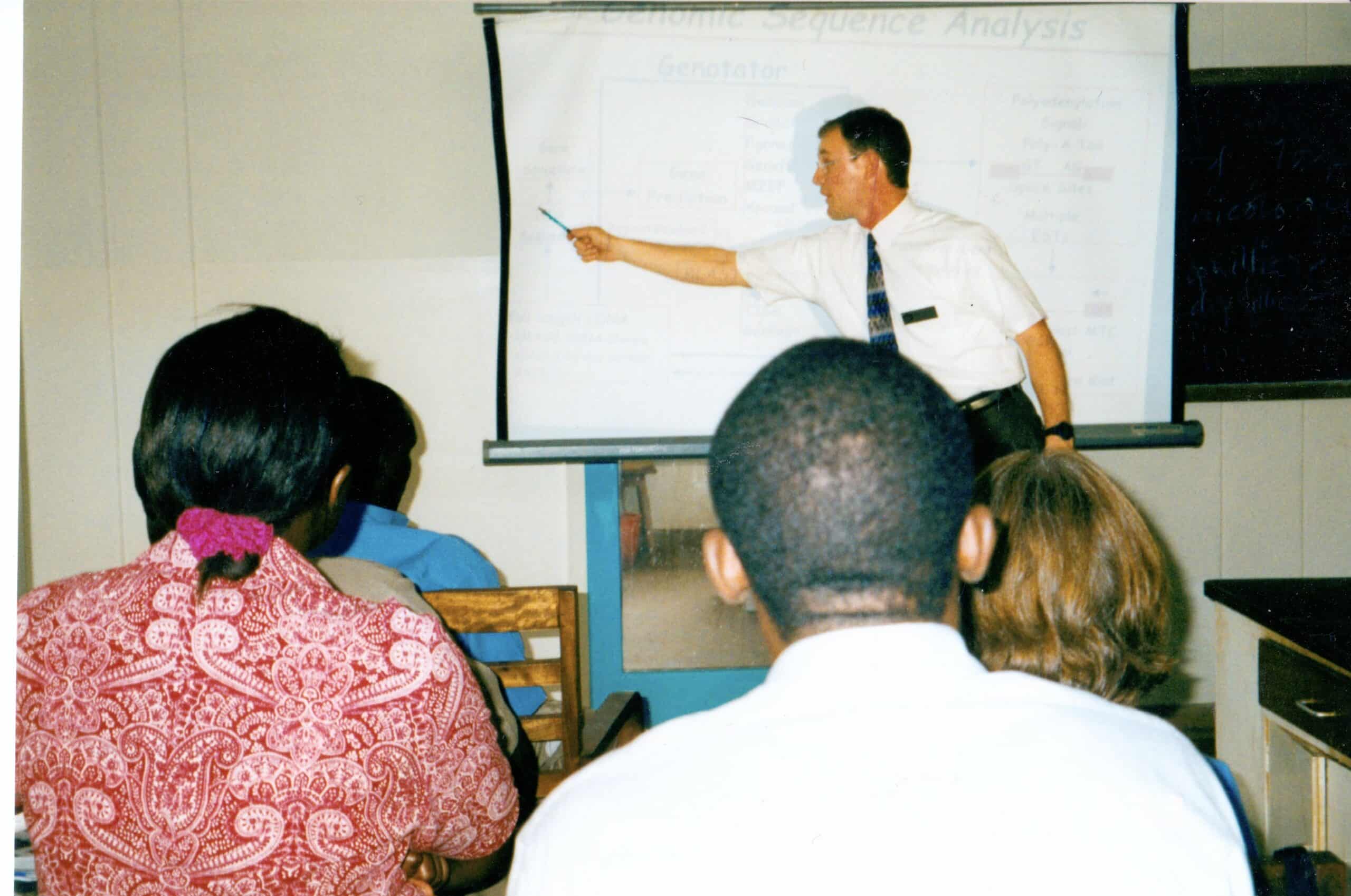
Dr. Bjork’s brothers Bryan and Jonathan have also chosen to follow health-related fields thanks to the influence of their father and their experience in Uganda. “Jonathan is now an internist in Marquette, MI just like our father,” said Dr. Bjork. “So there’s still a Dr. Bjork in Marquette. Bryan is a genetics professor in Illinois. On a later trip to Uganda, they worked with HVO to arrange for Bryan to give a research seminar to graduate students at Mulago Hospital and meet with faculty at Makerere University. He also had the opportunity to teach a class at a local high school while his wife Mindy taught at local schools, teaching alongside my mom on some days. Whatever it was that made me want to do public health all comes back to my father and what he taught us. It’s not random that all three of us are in health-related work.”
Dr. Cary Bjork is missed by the HVO community, but his legacy is vast and long-lasting. Today, that legacy lives on not only in the impact he had on countless providers he trained and their patients, but in the paths his children have chosen and the values they carry forward. Through HVO, Dr. Cary Bjork helped build something enduring. His story is also a powerful reminder that when volunteers are able, bringing family members along can deepen the impact in unexpected ways, sparking curiosity, shaping careers, and instilling a lifelong commitment to service. One trip can change many lives.