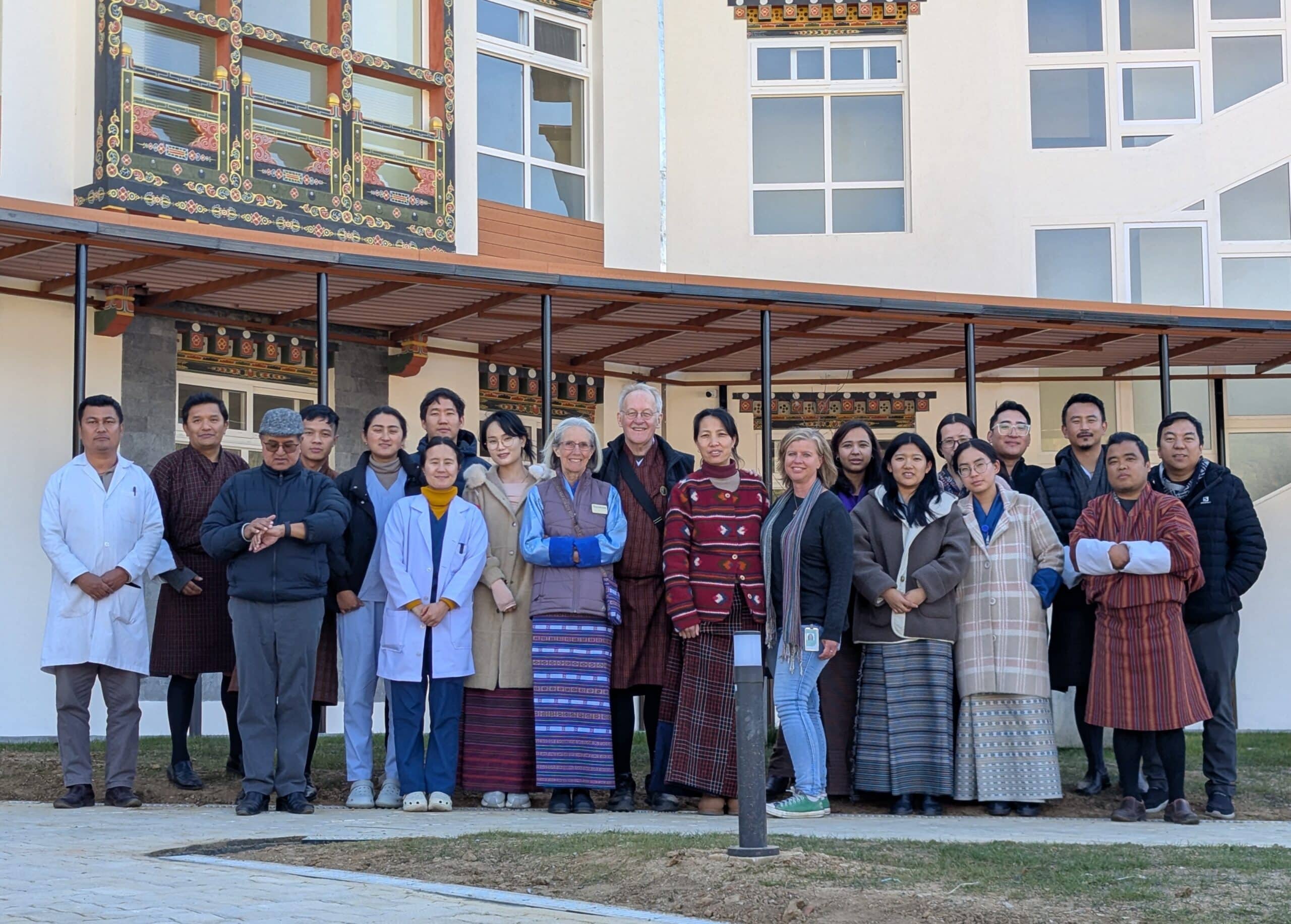
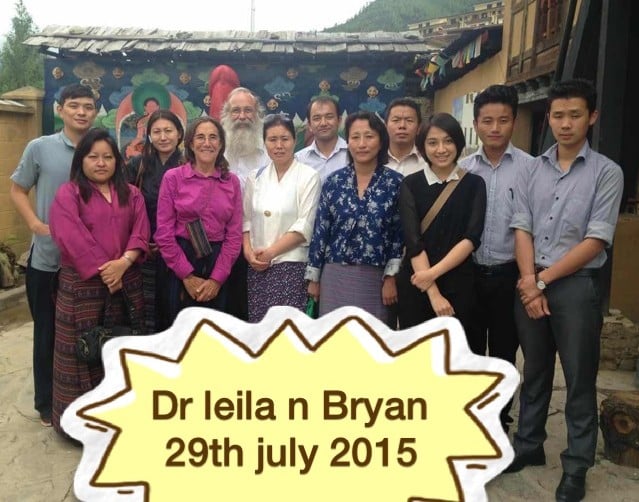
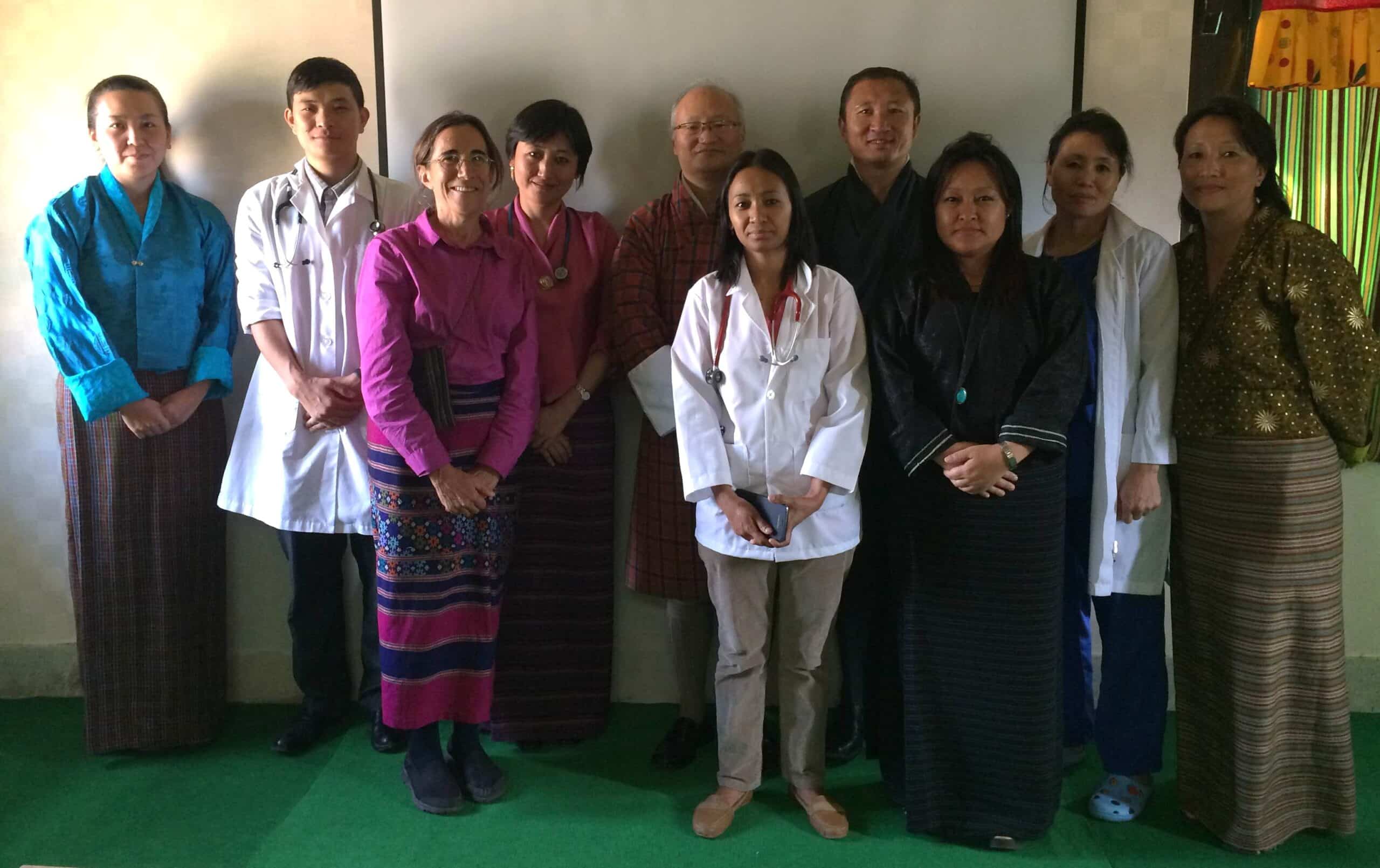
Just a few years ago, Bhutan had never had a pediatric nephrologist. Now, the country has Dr. Jimba Jatsho. “Before me,” he said, “when there was no specialist, most children would not have made it. They would have died at their primary center.” Dr. Jatsho has only been a practicing pediatric nephrologist for two years. He remains the sole practitioner for the country. Already, he has changed the quality of care for vulnerable patients and saved dozens of lives.
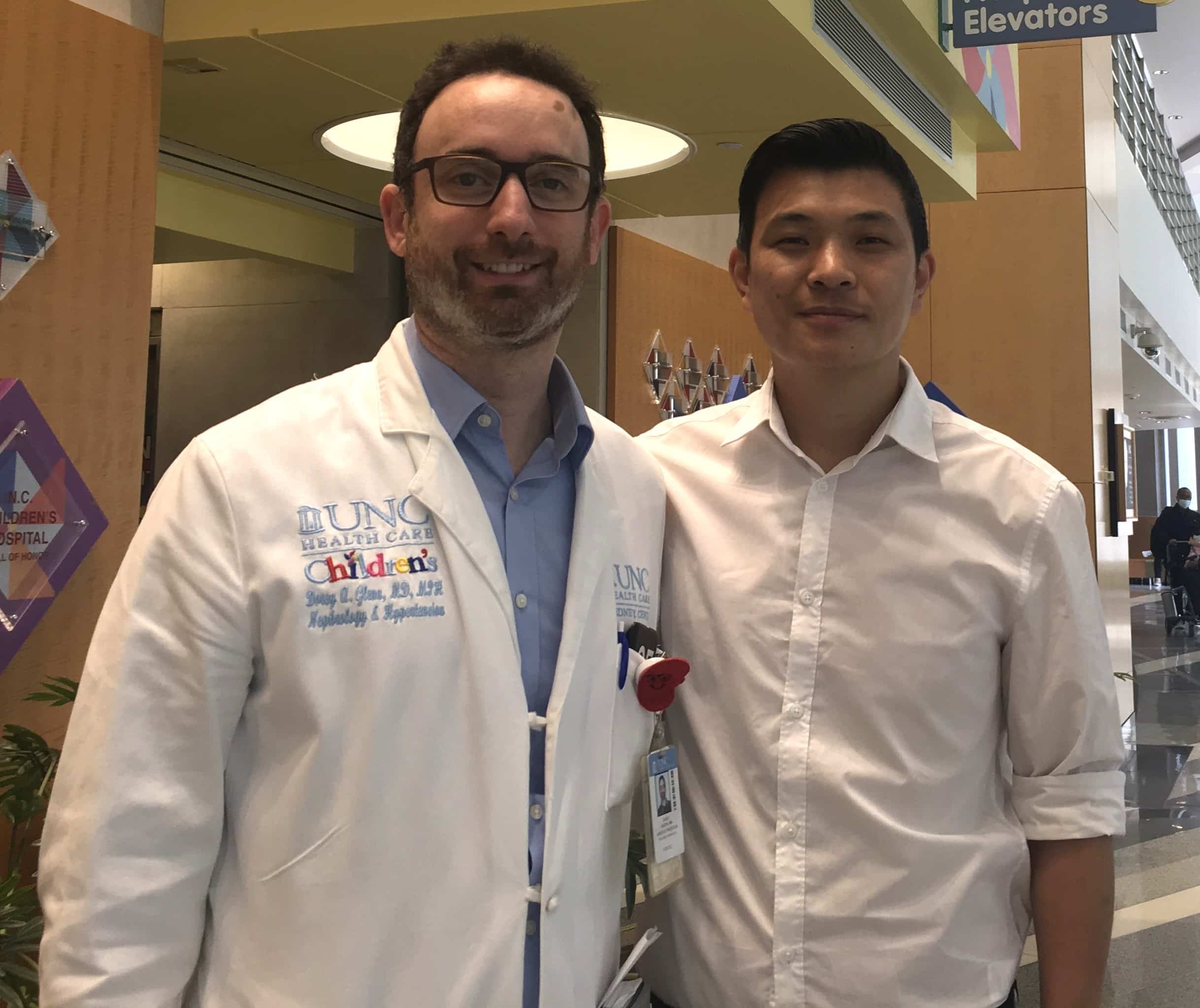
Dr. Jatsho had not initially considered specializing in nephrology. “At the time of my residency in 2014, we did not have much training available in subspecialties,” said Dr. Jatsho. “HVO was kind enough to send subspecialist volunteers. During my training, I had many interactions with these volunteers who became mentors, and, ultimately, colleagues.” One of those volunteers was Dr. Dorey Glenn. Dr. Glenn inspired Dr. Jatsho to pursue nephrology, providing instruction, mentoring, and connections. “He is a natural teacher; he enjoys it,” Dr. Jatsho said. “He encouraged us, gave us a roadmap, and empowered us to think about what to do in the next five years. We were seeing kids dying of kidney disease. Dr. Glenn helped us realize that for us to develop as a nation and to provide quality care to children, someone had to take it upon himself to be responsible.” Dr. Glenn invited Dr. Jatsho to his home institution in Chapel Hill, NC, a trip funded by HVO’s Wyss Scholarship. The trip further inspired Dr. Jatsho to move forward with a nephrology fellowship in India. “Seeing him take care of those children made me realize I needed to do something for my country. I couldn’t just be a general pediatrician the rest of my life treating colds while children continued to die because of suboptimal care,” said Dr. Jatsho. “Dr. Glenn connected me with a fellowship opportunity and a scholarship.”
Dr. Jatsho completed his fellowship in 2024 and returned to Bhutan. As the country’s sole practitioner, he has a full workload, treating patients who previously would have been sent all the way to India. This means more patients are receiving timely, often life-saving, interventions. “With me there, general pediatricians don’t need to waste time emailing specialists in India to ask for the next steps and then wait three weeks for a response while the child goes without treatment,” he said.
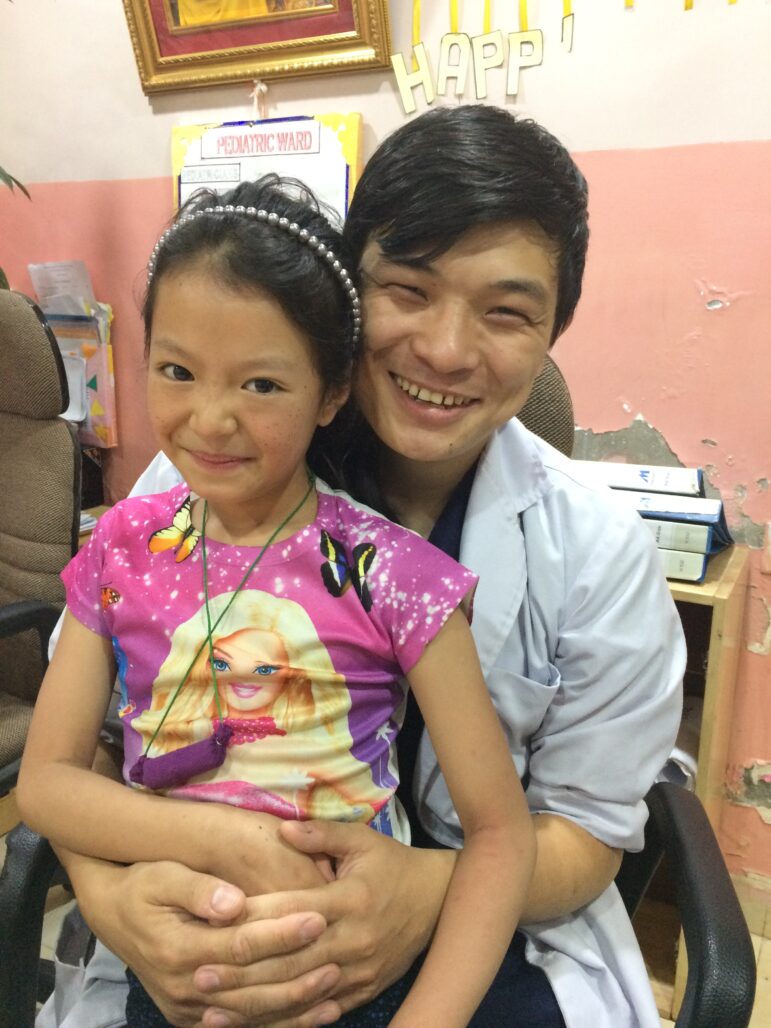
Dr. Jatsho shared the story of one such patient who was saved through quick intervention:
“The first month I started, we had a five-year-old girl who was referred from one of the southern hospitals. By the time she arrived, she was in acute kidney failure and required urgent dialysis. We were able to provide specialized treatment in the ICU. This was only possible because of my training. She will turn six this year. She is going to school, going through life, following up at nearby hospital. We saved her life by timely acute peritoneal dialysis. I did the dialysis myself and was teaching the nurses in the ICU step by step how to manage cases like hers. If the doctors and nurses are trained well, the impact will become even more exponential.”
There are two types of dialysis – peritoneal and hemodialysis. Hemodialysis must be done at a hospital or medical center three times a week. For a child, that is very disruptive. “There’s a huge impact on their quality of life,” said Dr. Jatsho. “Children must spend so much time in the hospital. They miss school, they miss playtime. Peritoneal dialysis can be done at home at night, and the child can maintain normal activity during the day.” In addition, for a very young child, hemodialysis is not an option – they are just too small. “I have patients right now whose kidneys are failing gradually,” said Dr. Jatsho. “We do not have nurses trained for pediatric hemodialysis. I would estimate that we may currently be losing anywhere from three to ten children every year to kidney disease just because of a lack of options. For these children, peritoneal dialysis will become a lifeline.” While he is able to perform emergency peritoneal dialysis on-site, as in the case of the little girl, Dr. Jatsho wanted to be able to provide routine, long-term, home-based treatments for his patients to keep those in kidney failure alive. He needed more training. With the support of another HVO Wyss Scholarship, Dr. Jatsho traveled to London to learn more about peritoneal dialysis and how to develop a program at his hospital.
Eager to share his life-saving knowledge, Dr. Jatsho worked with colleagues and HVO volunteer Dr. Larry Greenbaum to organize a three-day course for physicians and residents from around the country. “These doctors at district hospitals are the first point of care for our patients,” explained Dr. Jatsho. “I brought about twenty-three of them together along with three of our pediatric residents for this training. Dr. Greenbaum, a professor from India, our ICU intensivist, and I conducted three days of training on how to recognize and manage common pediatric kidney diseases, how they can do ultrasounds at their centers, and how to do emergency dialysis. If a patient has to come all the way to my hospital, it can take ten hours. This training will ultimately save a child’s life.”
More training is essential. Currently, there are only approximately twenty pediatricians in all of Bhutan, including just one cardiologist, one intensivist, one neonatologist, and one nephrologist. “We lack human resources,” said. Dr. Jatsho. “We need to train nurses. We need to train surgeons. HVO will be an important partner in this.” HVO volunteers could provide critical training on renal transplants and help connect local providers with opportunities like Dr. Jatsho’s fellowship. “This won’t happen over a single webinar or one or two talks,” he said. HVO’s model of sustainability plays a key role. Volunteers and partners build relationships and networks that last longer than a single visit. Over time, together, we can build capacity in Bhutan and achieve Dr. Jatsho’s dream of having specialists in each of Bhutan’s three main medical centers.
For now, he continues alone. “It has been challenging. I am the first person anyone calls. Even the patients call at all times, in the middle of the night. But it’s a challenge I’m willing to take, and it becomes easier with good support.” Dr. Jatsho is thankful for mentors like Dr. Glenn, whose support ranged from teaching him the most basic skills like how to perform a urine test to bringing him to the United States for personalized training and connecting him with funding for his fellowship. He said, “I tell Dr. Dorey it was all thanks to him coming as a volunteer. He might not have imagined how much of an impact he could have on someone else’s life. It can take a long time to see the results of that impact. It took ten years to realize my dream. At first, your impact might seem small, but, as the years go along, that impact becomes exponential. We will not have HVO support for our whole lives. We will be able to sustain ourselves, but for now we require the huge support HVO is graciously providing. Never discount how much you are contributing. I hope my story fuels your passion to help others.”
Click here to learn more about opportunities with the pediatric project in Bhutan.