
In May 2025, HVO posted a blog about Dr. Peter Rice’s work bringing ultrasound training to our partner hospital Lumbini Medical College in Tansen, Nepal. Dr. Jane Lockstone, a senior ICU physiotherapist in Tasmania, Australia, who has spent extended time in Nepal, read the blog and wanted to learn more. HVO put her in touch with Dr. Rice, and they decided her expertise in ultrasound would be valuable to the project. “I am very passionate about the use of ultrasound in clinical practice and really enjoy teaching lung ultrasound,” said Dr. Lockstone. “I have used lung ultrasound in my clinical practice since 2016 in my patient assessments and to monitor the effectiveness of physiotherapy interventions, including positioning, recruitment maneuvers, and secretion clearance. I regularly share my findings with the ICU medical team, which may influence their management such as fluid removal, pleural effusion drainage, and modification of ventilator settings.”
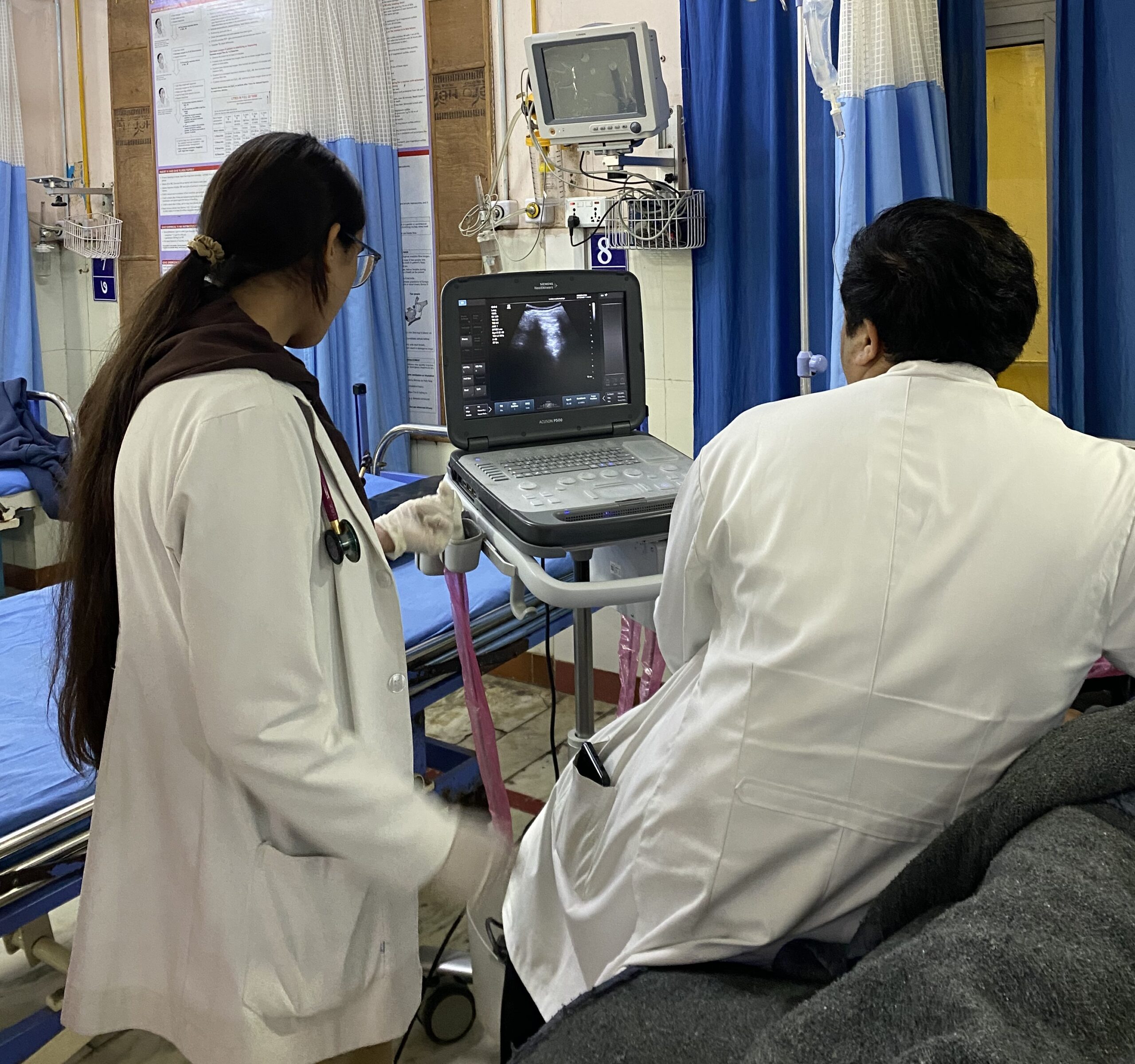
During her visit, Dr. Lockstone joined medical rounds in the ICU, HDU, and medical wards and supervised scanning patients. She also provided lectures on the theory of lung ultrasound, including normal lung ultrasound, diaphragm ultrasound, lung pathology, and lung ultrasound scanning protocols. She worked mainly with residents, all of whom expressed enthusiasm for learning more. “Being able to competently perform lung ultrasound exams and interpret the images correctly can help optimize medical management decision-making, including diagnosis of acute respiratory failure,” said Dr. Lockstone. “Ultrasound is a real time, portable, and non-invasive bedside tool that can be relatively cheap in resource-scarce settings where other technology may not be available or too expensive.” Even over such a short period as her one-week stay, Dr. Lockstone could see the impact of her teaching. The medical team was better able to identify patients who could benefit from a lung ultrasound and put some of the theories taught in lectures by practicing interpretation of images and identification of pathology. They also developed practical skills of performing lung ultrasound scans and optimizing images and settings.
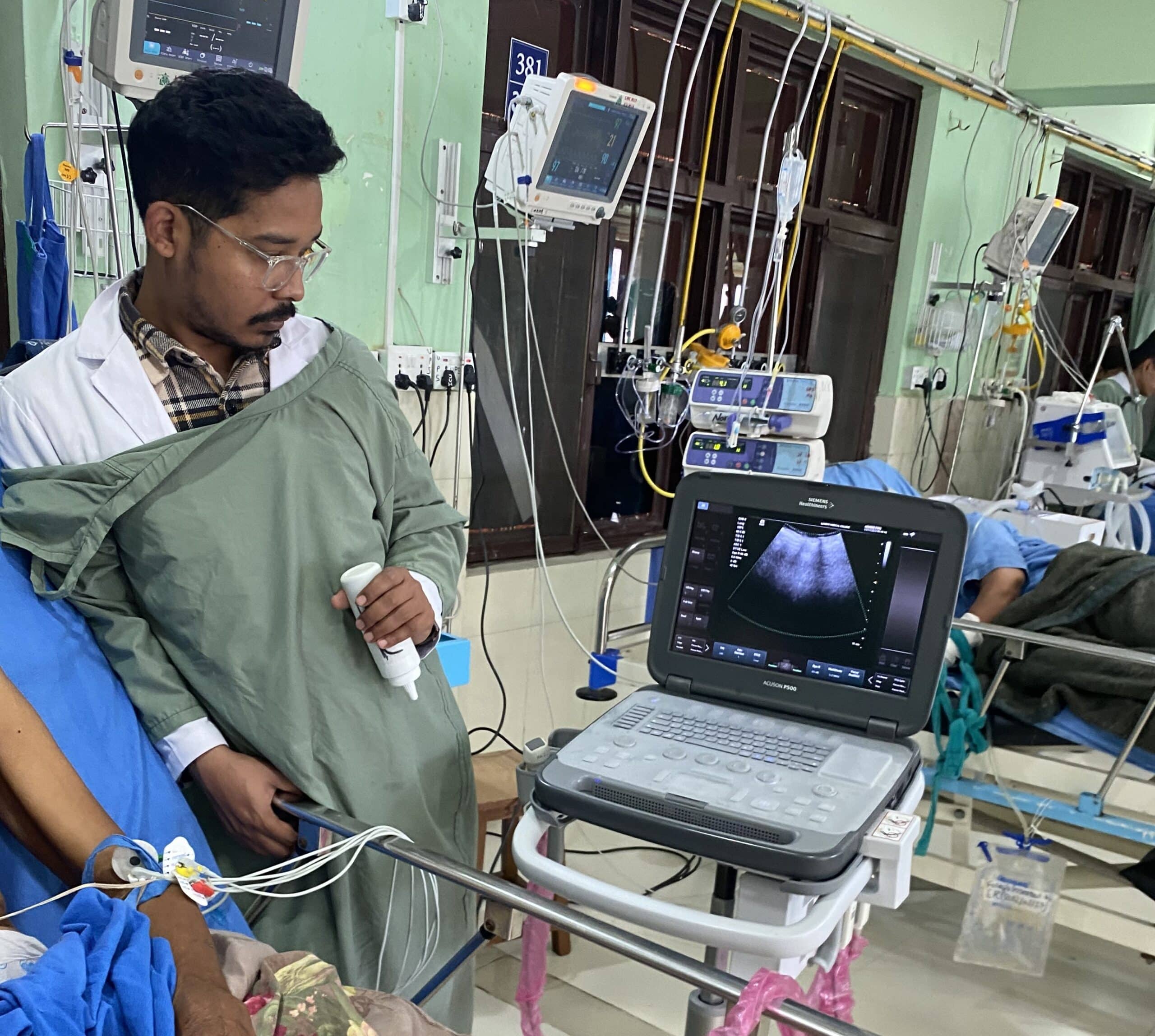
To continue building these skills, Dr. Lockstone feels that a consistent training program is essential: “A one-week training session would likely not have sustained impact or benefit. But I hope my teaching will have impact as part of the on-going POCUS project Dr. Peter Rice has implemented.” Dr. Lockstone believes that education is the foundation of building more sustainable health systems with providers better able to care for patients effectively and safely. “Education can provide health professionals with the confidence to implement evidence-based practices, help providers manage resources more effectively, and make opportunities more accessible,” she said.
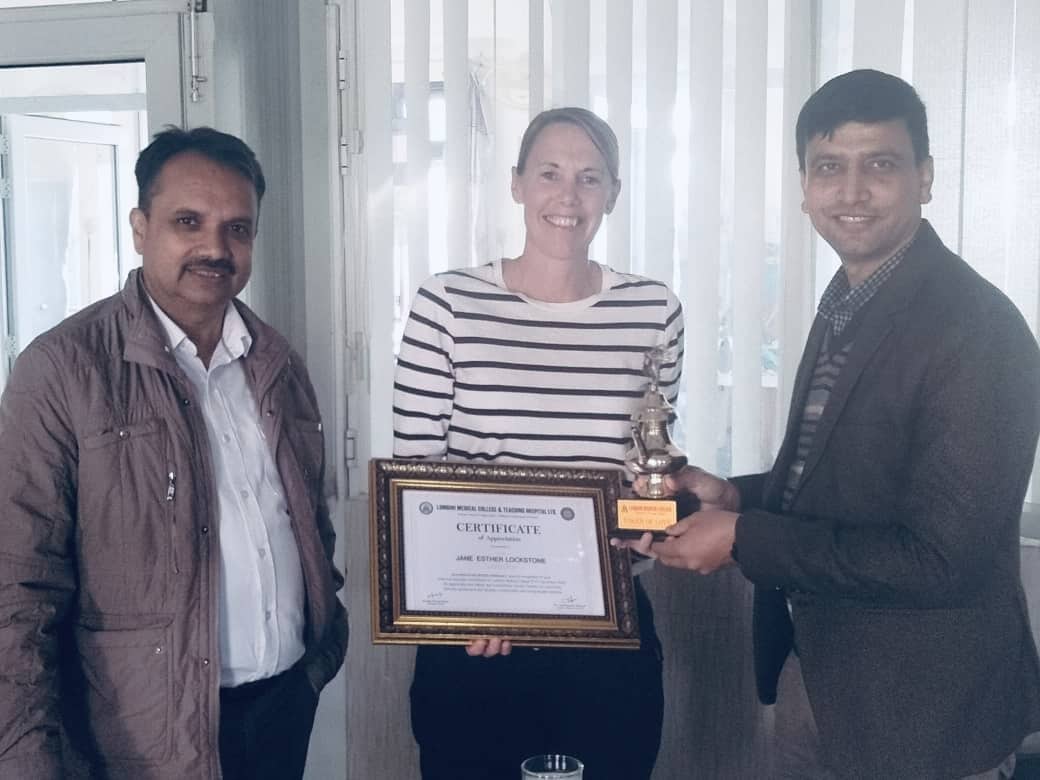
Looking forward, Dr. Lockstone hopes to do more volunteer work: “Everyone I met and worked with were very welcoming. I would love to do some more ultrasound teaching as part of volunteering assignments and hope to, but I have nothing booked yet.”
For more information about current opportunities, contact Program Coordinator Emily Dalton at e.dalton@hvousa.org.